Frequently Asked Questions
Answers to Common Questions Before You Build
Learn more about land, plans, pricing, financing, project timing, communication, service areas, custom homes, renovations, barndominiums, and the TruBuild process.
Browse by Topic
Find Answers by Category
Getting Started
Earlier is generally better. Reaching out while you are still evaluating property, plans, or financing can help identify scope, budget, and timing considerations before they become expensive to change.
It helps to know the property location, general project type, and a rough budget range and timeline. Plans or inspiration are useful but not required for the first conversation.
No. Homeowners contact TruBuild at very different stages, from an early idea to a fully planned project. Start where you are.
The first conversation is where that gets sorted out. TruBuild will review your project type, property, and goals and let you know honestly whether it is a good fit and what the next step should be.
The TruBuild team reviews the information, confirms the major project details, and follows up with the most useful next step. See the full breakdown on the
Land and Plans
No. TruBuild works with homeowners who already own property as well as those still evaluating land options.
Yes. Many homeowners reach out before a property purchase is finalized to help understand what would work on the site.
No. TruBuild works with homeowners who already have completed plans and with those who are still defining the project.
Yes. If you already have plans or drawings, TruBuild will review them as part of the project conversation and scope development.
Access, existing utilities, drainage, grading, and general site conditions can all affect scope, cost, and feasibility. These are reviewed as part of the property and plan review step of the TruBuild process.
TruBuild has not verified that it directly provides engineering, surveying, or architectural design services. Property-specific requirements like these should be confirmed during your project conversation.
Pricing and Financing
Once the project is sufficiently defined, TruBuild organizes the major scope, responsibilities, allowances, exclusions, and an estimate or proposal based on that scope.
A general discussion of budget range is part of the first conversation, but a detailed estimate depends on having enough information about the property, plans, and scope.
Pricing can shift with selections, site conditions, material availability, and scope changes discovered along the way. This is why TruBuild reviews scope and assumptions carefully before construction begins.
Yes. Share your financing status during the initial consultation so the team can understand where you are in the process.
Allowances are budgeted amounts set aside for specific selections, such as finishes, that have not been chosen yet. They are discussed as part of the scope and estimate step.
Changes to the agreed scope should be discussed and documented so you understand how they affect cost, materials, and timing before the changed work proceeds.
TruBuild has not published a fixed-pricing structure. Pricing is developed around the specific scope, property, and selections for each project.
Custom Homes
TruBuild builds custom homes across Crossville, Fairfield Glade, Cumberland County, and surrounding Middle Tennessee communities. Learn more about custom home building with TruBuild.
TruBuild works with homeowners who already own property, subject to a review of the site and its conditions during the property and plan review step.
TruBuild's primary focus is custom home building around your property and priorities rather than a fixed catalog of standard plans.
Yes. If you already have plans, TruBuild will review them as part of the project conversation and scope development.
Major selections and allowances are organized during preconstruction planning, before construction begins, so the team and homeowner share the same expectations.
TruBuild is structured around direct owner involvement, so homeowners stay informed and involved through regular communication rather than being kept at a distance.
Long-term functionality and how you plan to use the property are part of the property and plan review conversation.
Additions and Renovations
TruBuild completes primary-suite additions, expanded kitchens and living areas, attached garages, covered porches, and multi-purpose rooms.
Yes. TruBuild completes whole-home renovations, kitchen renovations, structural remodeling, exterior renovations, and aging-in-place improvements.
Matching the existing structure, exterior materials, and circulation is part of how TruBuild plans additions so they feel like they were always part of the house.
This depends on the scope of the project and the specific work involved. It is a good question to raise during your project conversation.
Existing structural conditions, layout, and site access can all affect renovation scope and pricing, which is part of why property review happens before an estimate is finalized.
TruBuild's primary focus is custom homes, additions, renovations, and specialty structures rather than small isolated repairs. If you have a smaller project in mind, reach out and the team can let you know whether it fits.
Barndominiums and Specialty Projects
Yes. Barndominiums are one of TruBuild's primary project types, built for durability and long-term use with living space, garage bays, or workspace combined into one structure.
Yes. TruBuild builds detached garages, workshops, equipment buildings, and hobby or flex spaces sized for the property.
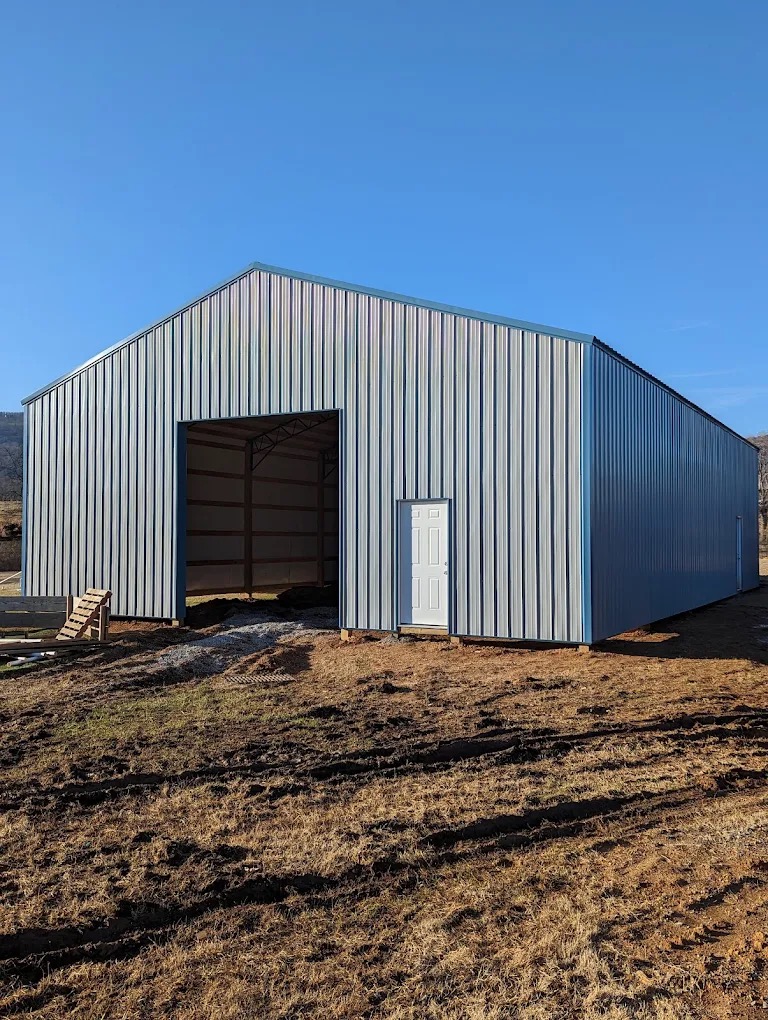
Yes. Barns, steel buildings, and agricultural structures are part of TruBuild's specialty construction work.
Yes. Garages and detached structures can be planned to include hobby, storage, or flex space based on how you plan to use the property.
Yes, on a select basis. Commercial and specialty projects are discussed individually during the project conversation.
Specialty projects still follow the same core process — property review, scope and estimate, preconstruction planning, and construction — but the specific considerations depend on the structure's intended use.
Construction Process
TruBuild uses six stages: project conversation, property and plan review, scope and estimate, preconstruction planning, construction and communication, and final walkthrough. See the full
Timing depends on the project type, property, plan readiness, permitting, selections, financing, material availability, weather, and construction scope. Expected timing is discussed once the project is better defined.
Plans, major selections, required documentation, communication expectations, and the anticipated sequence of work are organized during preconstruction planning.
Permitting requirements vary by project and location and are discussed as part of preconstruction planning. TruBuild has not published a standardized permitting policy beyond that.
TruBuild manages trade and material coordination during the construction phase. We have built strong relationships with quality subcontractors who take pride in their work, and we take care of them with prompt payments and clear scope-of-work alignments — which means they take care of your project.
Weather, material availability, site conditions, permitting, and pending homeowner decisions can all affect a project's schedule.
Meaningful progress and important developments, including delays, are communicated throughout construction as part of TruBuild's regular project updates.
Communication and Changes
Sam remains involved from the first project conversation through construction and the final punch list, so you always know who to contact.
Communication depends on the phase of construction and what is happening on the project. TruBuild provides meaningful updates and communicates when decisions or homeowner input are needed.
Homeowners are told which decisions are needed and what phase of the project comes next, rather than being left to guess.
Changes to the agreed scope should be discussed and documented so you understand how they affect scope, cost, materials, and timing before the changed work proceeds.
Changes are documented rather than handled through assumptions, so both TruBuild and the homeowner have a clear, shared record of what changed.
Unexpected site or construction conditions are communicated as part of ongoing project updates, with any resulting scope or cost impact discussed and documented.
Active owner involvement is part of how TruBuild operates. Site visit specifics are a good topic to confirm directly with the team for your project.
Service Areas
Yes. Crossville is one of TruBuild's core building areas. Learn more about building in Crossville, TN.
Yes. Fairfield Glade is one of TruBuild's core building areas. Learn more about building in Fairfield Glade, TN.
TruBuild also serves Lake Tansi, Keating Hollow Community, Cumberland Lakes Community, Cumberland Cove Community, and surrounding Middle Tennessee communities.
TruBuild serves the surrounding Middle Tennessee region beyond Cumberland County on a project-by-project basis. Share your property location during the initial consultation to confirm fit.
The most direct way is to share your property location as part of a project conversation, or review the full list of service areas.
Project Completion
TruBuild reviews the finished work with the homeowner and identifies any remaining punch-list items before project closeout.
A punch list is the list of remaining agreed items identified during the final walkthrough that are completed as part of project closeout.
A project is considered complete once the final walkthrough is finished and the remaining agreed punch-list items have been completed.
Applicable final project documentation is provided where relevant to the specific project. Ask during your project conversation what would apply to your build.
Final questions are addressed as part of the walkthrough and closeout process, with Sam remaining your point of contact throughout.
Still Have Questions?
Tell TruBuild About Your Specific Project
Every property and construction project is different. Share your location, project type, plans, budget range, and timing so TruBuild can help identify the right next step.